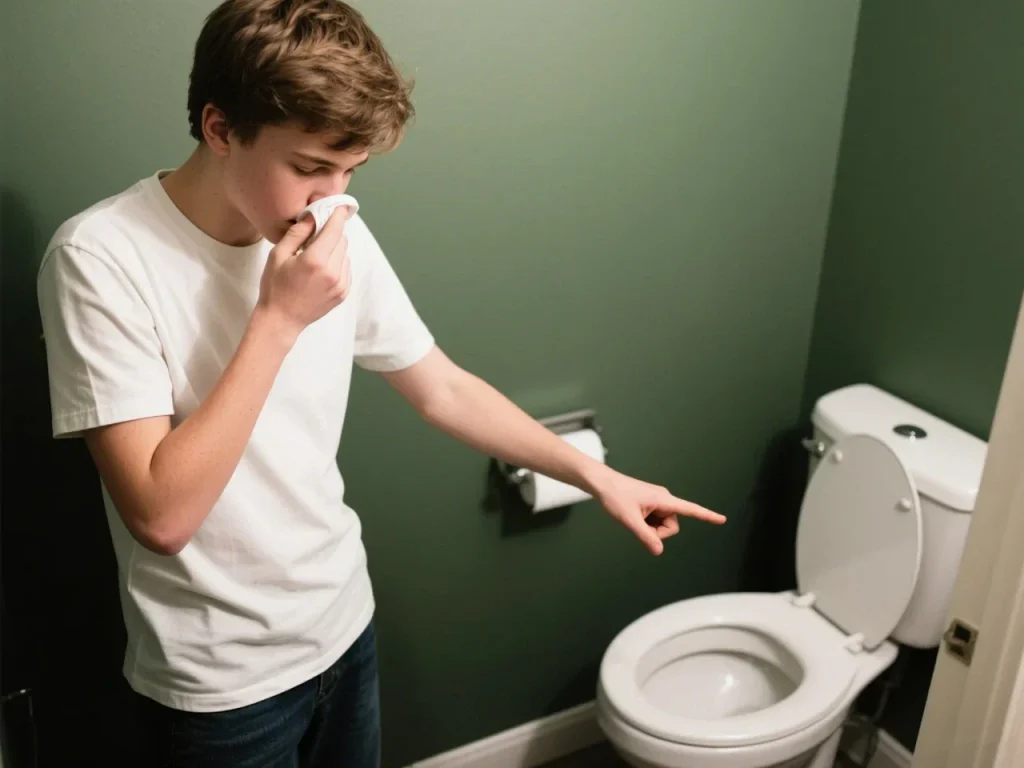
One of the most annoying issues a homeowner may encounter is a sewage odor in the bathroom. Sewer gases are typically escaping from your plumbing system if your bathroom smells like sewage.
The good news is that the problem is frequently simple to find and resolve. We’ll go over the most typical causes of your bathroom’s sewage odor in this guide, along with solutions.
In the drain, dry the P-Trap
A dry P-trap is one of the most frequent sources of sewage odor.
The curved pipe segment beneath floor drains, showers, and sinks is known as the P-trap. It prevents sewer gases from returning to your house by holding a tiny amount of water.
Sewer odors may escape if the drain hasn’t been used in a while because the water in the trap may evaporate.
Simple Fix
Just give the floor drain, shower, or sink a 30-second run. This usually gets rid of the odor and replenishes the trap.
A dirty or clogged drain
Debris such as hair and soap scum can accumulate within the drain. This accumulation may eventually begin to decay and release offensive, sewage-like odors.
How to resolve it
There is a natural way to clean the drain:
- Fill the drain with half a cup of baking soda.
- Pour in one cup of vinegar.
- Give it fifteen to twenty minutes to sit.
- Use hot water to flush
This eliminates odors and breaks down accumulation.
A loose or broken toilet seal
To stop sewer gases from escaping, your toilet is supported by a wax ring seal.
Sewage odors may seep from the toilet’s base if the seal is worn out or damaged.
Indications of a defective toilet seal
- The strongest smell is close to the toilet base.
- The toilet seems a little loose.
- Around the base, water appears.
In this instance, changing the wax ring usually resolves the issue.
Plumbing Vent Pipe Blockage
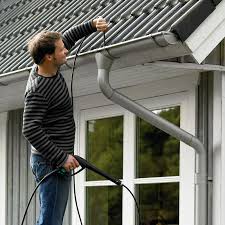
Sewer gases can escape through the roof of your house thanks to vent pipes. The gases could return to the house if leaves, debris, or even bird nests clog these vents.
Signs that a vent is blocked
- Many drains have an unpleasant odor.
- Sinks or bathtubs that drain slowly
- Pipes making gurgling noises
The vent pipe may need to be removed from the roof by a plumber.
Growth of Mold or Mildew
Sometimes the smell is caused by mold or mildew from moisture buildup rather than sewage at all.
Because bathrooms are inherently humid spaces, mold frequently grows there.
How to resolve it
- Boost ventilation
- Use vinegar or mold cleaner to clean surfaces.
- Make use of a bathroom exhaust fan.
Issues with Sewer Lines
Rarely, a broken sewer line outside your house could be the source of the odor.
This is more probable if you observe:
- The entire house smells like sewage.
- Backing up multiple drains
- The yard’s damp areas
It’s best to get in touch with a qualified plumber if you suspect this problem.
How to Stop Bathroom Sewage Odors
By adopting a few easy habits, you can prevent the majority of odor issues:
- Occasionally, run water down unused drains.
- Regularly clean the drains in bathrooms
- Quickly fix leaks
- Keep the plumbing vents open.
- Make sure the bathroom has adequate ventilation.
You can keep your bathroom odor-free and fresh by following these easy maintenance procedures.
Concluding Remarks
Dry drains, clogged pipes, or worn plumbing seals are typically the cause of a sewage-like odor in your bathroom. Thankfully, a lot of these problems are easy to resolve without requiring significant repairs.
You can get rid of unpleasant smells and maintain the health of your home’s plumbing system by spotting the problem early and doing routine maintenance.
One of the most annoying issues a homeowner may encounter is a sewage odor in the bathroom. Sewer gases are typically escaping from your plumbing system if your bathroom smells like sewage.
The good news is that the problem is frequently simple to find and resolve. We’ll go over the most typical causes of your bathroom’s sewage odor in this guide, along with solutions.