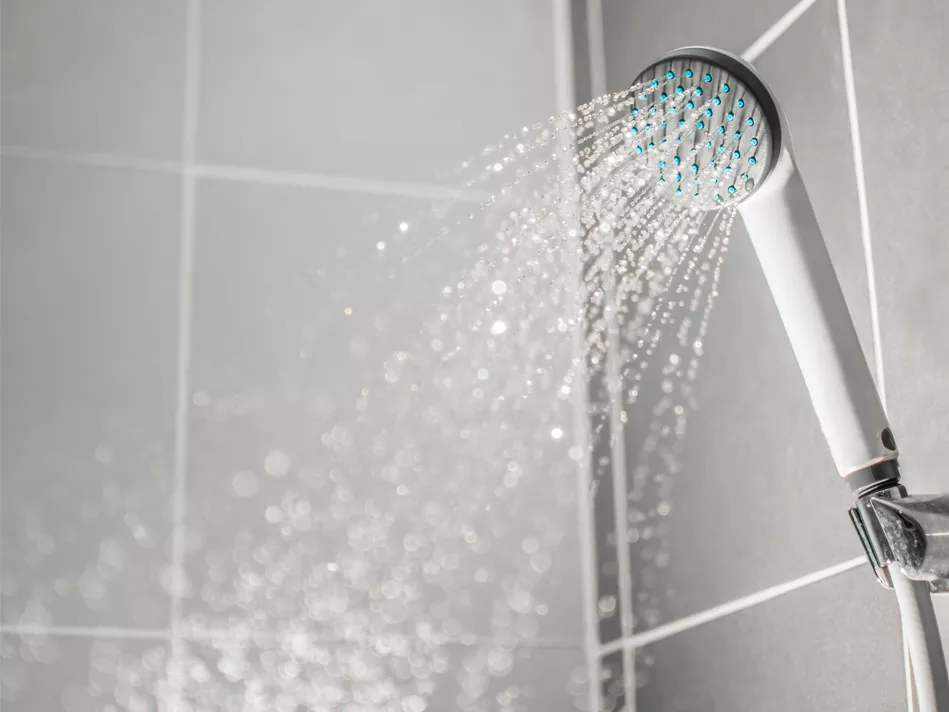
It can be annoying when the water pressure in the shower is low. You can’t enjoy a strong, relaxing shower because the water flow is so weak that it barely rinses off soap or shampoo.
A lot of homeowners have this problem at some point, but the good news is that low shower water pressure is usually caused by simple problems that are easy to fix. We’ll go over the most common reasons why your shower may have low water pressure and what you can do to fix it in this guide.
What does it mean to have low water pressure?
If the water pressure is low, the water coming out of your showerhead flows more slowly than usual. The water may not flow steadily or strongly, and it may feel slow, weak, or inconsistent.
This issue can make things like showering, rinsing out shampoo, or cleaning the bathroom harder to do.
Low pressure can happen all at once or slowly over time, depending on what caused it.
Low shower water pressure: common reasons
A showerhead that is blocked
A clogged showerhead is one of the most common reasons why the water pressure in the shower is low. Over time, mineral build-up from hard water can block the small holes where water flows out.
The water pressure drops when these holes get partially blocked.
How to Fix It
Take off the showerhead and let it soak in white vinegar for a few hours. Vinegar helps clear the small openings and break up mineral buildup.
After soaking, rinse the showerhead well and put it back on. In a lot of cases, this easy step brings the water pressure back to normal.
Water Flow Restrictor
A flow restrictor is a small device that many modern showerheads have that limits the amount of water they use.
This helps save water, but it can also lower the pressure more than you want it to.
How to Fix It
You might be able to take the flow restrictor off the showerhead if you want stronger water pressure. This part is usually found inside the connection for the showerhead.
Keep in mind that taking it off could make you use more water.
Water valve that is only partly closed
The problem isn’t always with the shower itself; it could be with the plumbing in the house.
If the main water valve or a shutoff valve close partway, it can slow down the flow of water in the house.
How to Fix It
Make sure the water valves in your house are all the way open. If you had plumbing work done recently, a valve may not have been fully opened again.
Leaks in the plumbing
Water pressure can also drop because of plumbing leaks that you can’t see. When water leaks out of pipes before it gets to the shower, the pressure goes down.
What to Look for When There Is a Leak
You might see:
- Stains on walls or ceilings from water
- Wet spots near pipes
- Bills for water that are higher
If you think there might be a leak, it’s best to check your plumbing or call a plumber.
Pipes that are old or rusty
Pipes in older homes can rust over time. Minerals that build up inside pipes slow down the flow of water and lower the pressure.
This problem usually gets worse over time and can affect more than one fixture in the house.
Possible Answer
In some cases, it may be necessary to replace old plumbing pipes. But this is usually only necessary in very old homes with plumbing that is no longer up to date.
Problems with the city’s water supply
The issue can sometimes be outside your home. If the local water supply system is being worked on or having problems, the pressure in the water can go down.
It’s possible that the municipal water system is to blame if your neighbors are also having low pressure.
How to Check the Pressure of Your Home’s Water
You can use a water pressure gauge to find out how much pressure is in the water in your home. These tools don’t cost much and are simple to use.
Most homes should have water pressure between 40 and 60 pounds per square inch (PSI).
If the pressure is much lower, it could mean that there is a plumbing problem that needs to be fixed.
When to Get a Plumber
Even though most low-pressure problems are easy to fix, some need the help of a professional.
If you need to, think about calling a plumber.
- Low pressure affects the whole house.
- You think there might be a plumbing leak that you can’t see.
- The problem still happens after cleaning the showerhead.
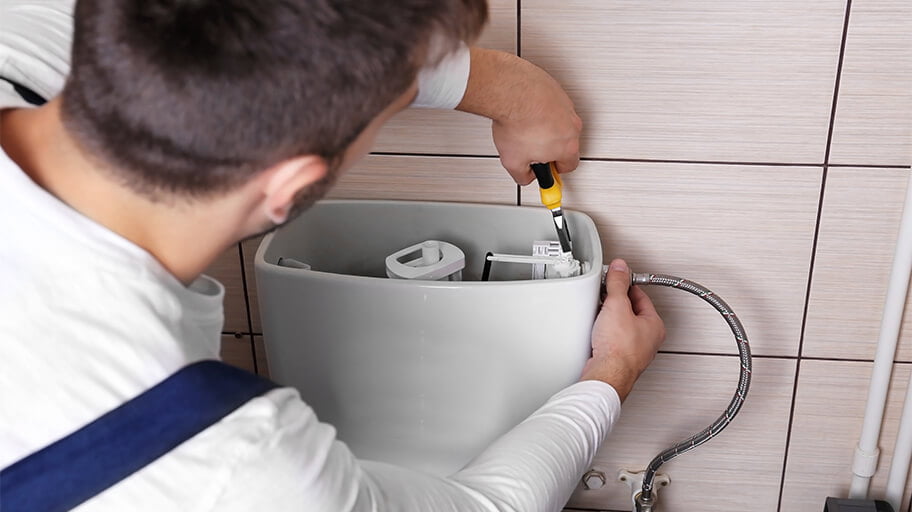
- Pipes look old or have a lot of rust on them.
A plumber can quickly figure out what’s wrong with more complicated plumbing issues.
How to Keep Your Water Pressure High
Your shower will work better if you take care of it regularly.
Here are some easy things to remember:
- Every few months, clean your showerhead.
- Look for leaks in plumbing fixtures
- Don’t let mineral buildup build up.
- Check the water valves from time to time
Taking care of small things now can stop bigger problems from happening later.
Last Thoughts
A common problem is low water pressure in the shower, which can usually be fixed with simple fixes. A clogged showerhead, mineral buildup, or valves that are only partially closed are some of the most common causes of the problem.
Homeowners can get their water flow back to normal and have a more comfortable shower by figuring out what’s wrong and doing some basic maintenance.
If the problem keeps happening, calling a plumber may help you find bigger plumbing problems.