One of the most common problems that homeowners have is a roof that leaks. If you don’t fix a small leak right away, it could cause a lot of damage. Water that gets into your home can hurt the walls, ceilings, insulation, and even the whole house.
Most roof leaks start out as small issues that get worse over time. Homeowners can find problems early and avoid costly repairs if they know what causes roof leaks.
This guide will tell you the most common reasons roofs leak and how to keep your home safe.
1. Shingles that are broken or missing
Your roof’s first line of defense against rain and bad weather is shingles. Water can easily get through the roof surface when shingles crack, curl, or fall off.
Strong winds, storms, and old materials can all hurt shingles.
Some common signs that shingles are damaged are:
Shingles that are missing
Shingles that are cracked or curling
parts of the roof that are open
Shingles that are loose after storms
Quickly replacing broken shingles can stop leaks from happening.
2. Broken Flashing
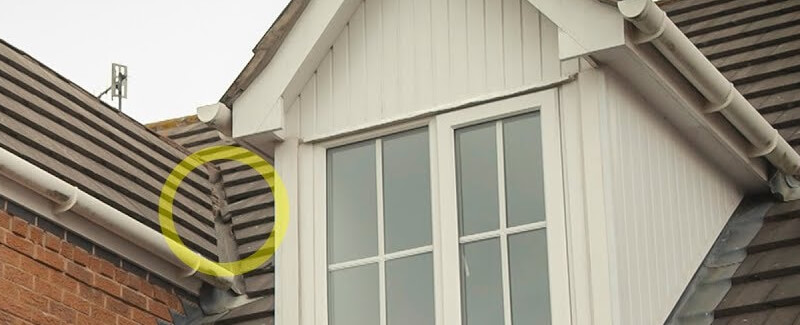
Flashing is the thin metal that goes around things on the roof, like vents, chimneys, and skylights. The goal is to keep water from getting into the spaces between roofing materials.
Flashing can get loose, cracked, or corroded over time. When this happens, water can get under the roof and get in.
Flashing problems are one of the main reasons why roofs leak.
3. Gutters that are clogged
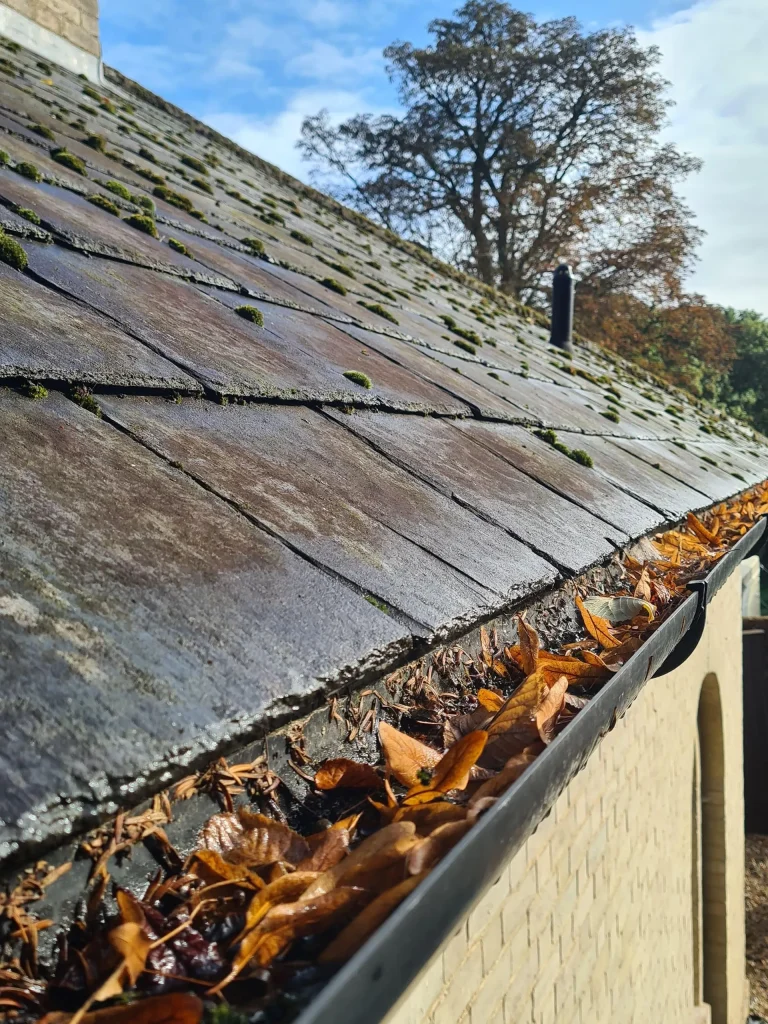
Gutters are made to move water away from your roof and home. Water can’t drain properly when gutters are full of leaves, trash, and dirt.
This makes water pool on the roof, which makes leaks more likely.
Cleaning your gutters on a regular basis is one of the easiest ways to keep your roof in good shape.
4. Roof vent boots that are cracked
Air can move around in the attic through roof vents. Vent boots are rubber or plastic seals that go around these vents.
The sun and weather can cause these materials to crack over time.
Water can easily get into the roof through the opening once the vent boot cracks.
5. Ice Dams in the Winter
When snow melts and refreezes along the edge of the roof in colder places, ice dams can form.
The ice that is trapped here stops the snow from melting and draining properly. After that, the water can get under the shingles and into the house.
Ice dams can be stopped by properly insulating and ventilating the attic.
6. Leaks in the skylight
Skylights let in natural light, but they also make more holes in the roof.
Water can leak around the edges of skylights if they are not installed or sealed correctly.
The seals around skylights may wear out and need to be fixed over time.
7. Old roofing materials
All roofs have a limited life span. As roofing materials get older, they become less strong and more likely to be damaged by the weather.
As an example, roofs made of asphalt shingles usually last 20 to 25 years.
As the roof gets older, it is more likely to develop cracks, leaks, and other structural issues.
Regularly checking your roof can help you find old materials before they cause major leaks.
How to Stop Roof Leaks
It’s much easier to stop roof leaks than to fix big damage later.
By doing a few simple things around the house, homeowners can lower the risk of leaks:
check the roof at least twice a year
Regularly clean the gutters
quickly replace shingles that are broken
Check the flashing around vents and chimneys.
Cut back tree branches that are close to the roof.
Regular maintenance can make your roof last a lot longer.
When to Hire a Professional Roofer
You can probably fix small roofing problems on your own, but you should have a professional roofer look at bigger ones.
If you think you should call a professional,
you see stains on the ceiling from water
Leaks happen when it rains hard.
There are missing or damaged shingles.
Your roof is more than 20 years old.
A professional roofer can look at your roof and suggest the best way to fix it.
Last Thoughts
If you don’t fix roof leaks right away, they can do a lot of damage to your home. Homeowners can spot early warning signs of roof leaks and fix them before they get worse if they know what the most common causes are.
You can keep your home safe and your roof last longer by having it checked regularly, keeping it in good shape, and making repairs quickly.