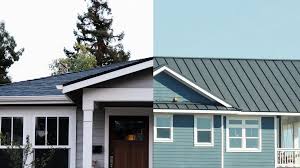
When it comes to roofing, the main question is usually, “Which is cheaper?” metal or asphalt shingles?
Asphalt shingles always come out on top when you ask a contractor for a quick quote. But if you ask a financial planner or a homeowner who has had to replace their roof three times in 30 years, the answer is not so clear.
We’re looking at more than just the first bid in this 2026 study. We’re looking at the lifespan, energy savings, insurance discounts, maintenance, and resale value of different roofing materials to see which one will save you the most money over the life of your home.
Upfront Cost: The Clear Winner Is Asphalt
Let’s get the obvious out of the way. If cash flow is tight and you need a roof today, asphalt shingles are the cheaper installation.
| Material | Average Cost Per Square Foot (Installed) | Average Cost for 2,000 sq ft Home |
|---|---|---|
| Asphalt Shingles (Architectural) | $4.50 – $7.00 | $9,000 – $14,000 |
| Standing Seam Metal | $12.00 – $20.00 | $24,000 – $40,000 |
Asphalt shingles cost roughly 50–60% less upfront than a high-quality standing seam metal roof.
However, if you look at corrugated metal panels (often used for barns or modern homes), the price gap narrows to about 20–30%, but the longevity and wind ratings also differ significantly.
The Long-Term Cost Breakdown
To find out which roof is really cheaper, we need to look at a 50-year period, which is the average length of time a homeowner stays in one house or rents out a property.
Scenario 1:
Three times replacing asphalt shingles
First installation (Year 0): $12,000
First Replacement (Year 20): $15,000, adjusted for inflation
Second Replacement (Year 40): $18,000, adjusted for inflation
The total cost over 50 years is $45,000.
This is based on the idea that there are no leaks, no need to replace the decking, and average architectural shingles. If you use basic 3-tab shingles, you’ll have to replace them every 15 years, which will make the cost even higher.
Scenario 2:
One installation of standing seam metal
$30,000 for the first installation (Year 0)
Minor repairs (years 20 to 50): $1,500 (tightening screws, painting over mistakes)
Cost over 50 years: $31,500
The Conclusion: Metal Saves More Than $13,500 Over 50 Years
When you think about how long a home will last, metal roofing is a lot cheaper in the long run.
But the savings go beyond just the cost of replacing things. Metal roofs keep making money for you, but asphalt roofs can’t do that.
5 Secret Ways Metal Roofs Can Help You Save Money
- Energy efficiency (cool roof technology)
Asphalt shingles soak up heat. When it’s 90°F outside, an asphalt roof can get hotter than 160°F, which makes your AC work harder.
Metal roofs, especially those that have the Cool Roof Rating Council (CRRC) seal of approval and are light-colored, reflect solar radiation. During the summer, homeowners usually pay 10–25% less for cooling.
Estimated savings: $200 to $500 a year, depending on the weather.
- Lower premiums on insurance
A lot of insurance companies, like State Farm, Allstate, and regional providers, give discounts for metal roofs that are Class 4 hail-rated or impact-resistant. Metal roofs are less risky for insurance companies because they can handle wind gusts of up to 140–160 mph and are less likely to catch fire than shingles.
Estimated Savings: 5% to 20% off the yearly cost of home insurance.
- No costs for tearing off
When asphalt shingles break, you have to pay for a full tear-off and disposal. You usually put metal over the existing shingles (with purlins for ventilation) or directly on the deck once. You won’t have to pay for a demolition crew again. - More money when you sell it
The National Association of Realtors (NAR) says in its 2026 Remodeling Impact Report that a metal roof can get back 85–95% of its cost when it is sold. Asphalt shingles get back about 60 to 70% of their value.
In competitive real estate markets, a metal roof is a selling point that makes homes sell faster.
- Costs of Maintenance Are Lower
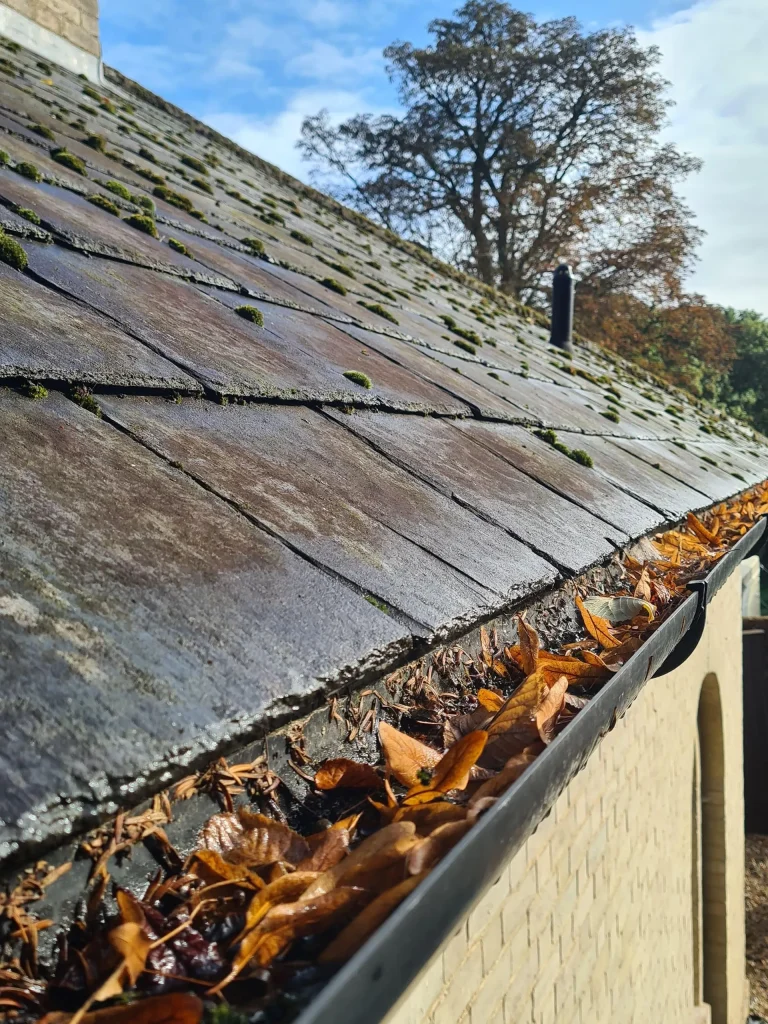
Asphalt shingles are weak against:
Wind damage (missing tabs after storms)
Algae streaks are black streaks that need to be cleaned.
Curling and cracking as it gets older
Aside from cleaning the gutters and checking the screws on exposed fastener panels, metal roofs don’t need much care.
When Asphalt Shingles Make Sense
Despite metal’s long-term advantages, asphalt shingles remain the right choice in specific scenarios:
| Scenario | Why Asphalt Wins |
|---|---|
| You’re selling within 5–7 years | You won’t recoup the metal premium at resale if you move too soon. |
| You have a tight budget | Lower upfront cost preserves cash flow for other urgent repairs. |
| You live in a mild climate | If you don’t need energy savings or storm protection, the ROI on metal diminishes. |
| HOA restrictions | Some subdivisions prohibit metal roofs or require specific standing seam profiles that are more expensive. |
Updates on costs and materials for 2026
Shingles made of asphalt
The cost of petroleum-based materials has caused prices to go up by 12% to 15% since 2023. Manufacturers are slowly getting rid of 3-tab shingles and replacing them with architectural (dimensional) shingles. These shingles are better at withstanding wind, but they cost more at the base.
Roofing with Metal
Steel prices have settled down after being unstable during the pandemic. Galvalume® (steel coated with aluminum and zinc) is still the best long-term choice in terms of cost. Copper and zinc are expensive materials that last more than 100 years but cost 2 to 3 times as much as steel.
The Sustainability Factor: The Effect on the Environment
Metal pulls even further ahead when you take into account environmental costs:
Every year, 11 to 15 billion pounds of asphalt shingles end up in US landfills. Most cities don’t let you recycle them.
Metal roofs: They are made of 25% to 95% recycled materials and can be recycled again when they are no longer needed.
Conclusion: What is the real cost?
Metal roofing costs less in the long run.
If you want to live in your home for more than ten years, the mix of
- Not going through two replacement cycles
- Bills for energy are lower
- Discounts on insurance
- More money when you sell it
- Even though metal costs more up front, it is the clear financial winner.
If you need a roof right away and plan to move in five years or less, or if cash up front is the only thing that matters, asphalt shingles are still a good short-term option.
The bottom line is that metal roofs cost more to put on, but they last longer and cost less over time. Asphalt shingles are the opposite: they are cheap now but get more expensive over time.
Frequently Asked Questions (FAQ)
Is a metal roof worth the extra cost?
For homeowners staying in their home 10+ years, yes. The energy savings alone can offset the price difference within 15–20 years, and you’ll never pay for another roof.
Do metal roofs make your house hotter?
No. Modern metal roofs use reflective pigments and cool roof technology. They stay 50–60°F cooler than asphalt shingles in direct sunlight, reducing attic temperatures and AC load.
Can you put metal roofing over shingles?
Yes, but it requires a proper installation with furring strips (battens) to create an air gap. Installing metal directly over shingles traps moisture and voids most manufacturer warranties.
Does a metal roof affect home insurance?
Yes, positively. Many insurers offer 5–20% discounts for impact-resistant metal roofs. Always check with your carrier before installation.
What is the biggest downside of a metal roof?
The upfront cost. Standing seam metal roofs can cost $25,000–$50,000 depending on the home size and complexity. Additionally, foot traffic can dent some profiles, so maintenance access requires caution.