One of the most crucial components of your house is your roof, which shields it from inclement weather, wind, and rain. However, until a leak occurs or the damage gets serious, many homeowners are unaware that there is an issue.
Frequent roof inspections can help you avoid costly repairs by identifying minor problems early. Fortunately, a basic inspection doesn’t always require an expert.
This guide will teach you how to safely check your roof for damage and spot common issues before they worsen.
The Significance of Roof Inspections
Regular roof inspections benefit you:
- identify minor issues early
- avoid expensive repairs
- increase the roof’s lifespan
- Prevent water damage to your house.
Experts advise inspecting your roof at least twice a year, particularly following a storm.
Safety First: Prior to Beginning
If done carelessly, roof inspections can be hazardous.
Observe these safety precautions:
- Make use of a strong ladder
- Put on non-slip footwear.
- Steer clear of wet roofs.
- If at all possible, examine from the ground.
- Never do an inspection in inclement weather.
It’s safer to inspect your roof from the ground or hire a professional if it’s high or steep.
Step 1: Examine the roof from below
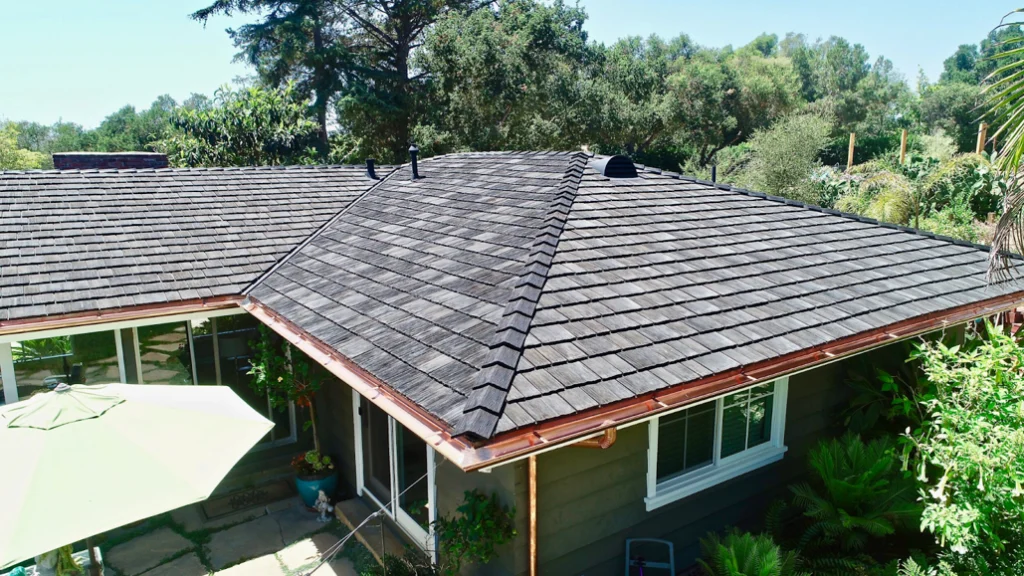
Start by taking a stroll around your house and observing your roof from the ground.
Search for:
- damaged or absent shingles
- sagging regions
- debris accumulation
- uneven lines on the roof
You can see details without having to climb up by using binoculars.
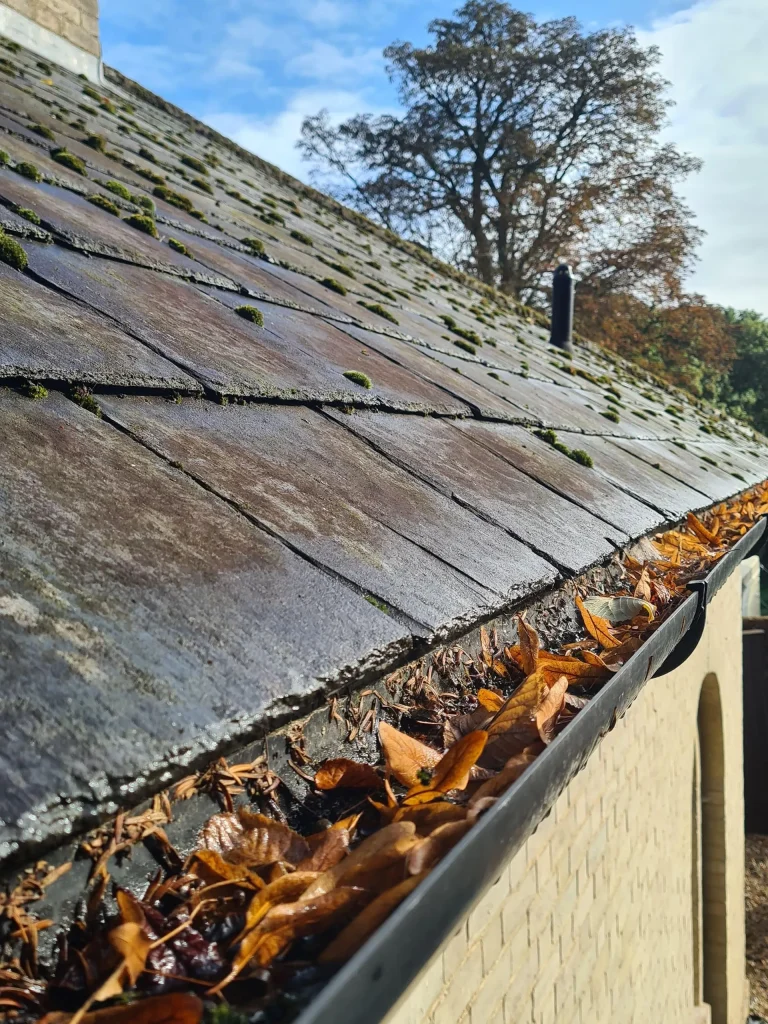
Step 2: Examine the gutters
You can learn a lot about the state of your roof from your gutters.
Check your gutters for:
- Shingle granules, which are tiny particles that resemble sand
- Debris and leaves obstructing the flow of water
- indications of a water overflow
A lot of granules could indicate that your shingles are deteriorating.
Step 3: Check for Shingle Damage
Examine your shingles carefully to determine whether climbing up is safe.
- Damage indicators include:
- fractured shingles
- curved or raised edges
- Absence of shingles
- shingles that are loose
One of the most frequent reasons for roof leaks is shingle damage.
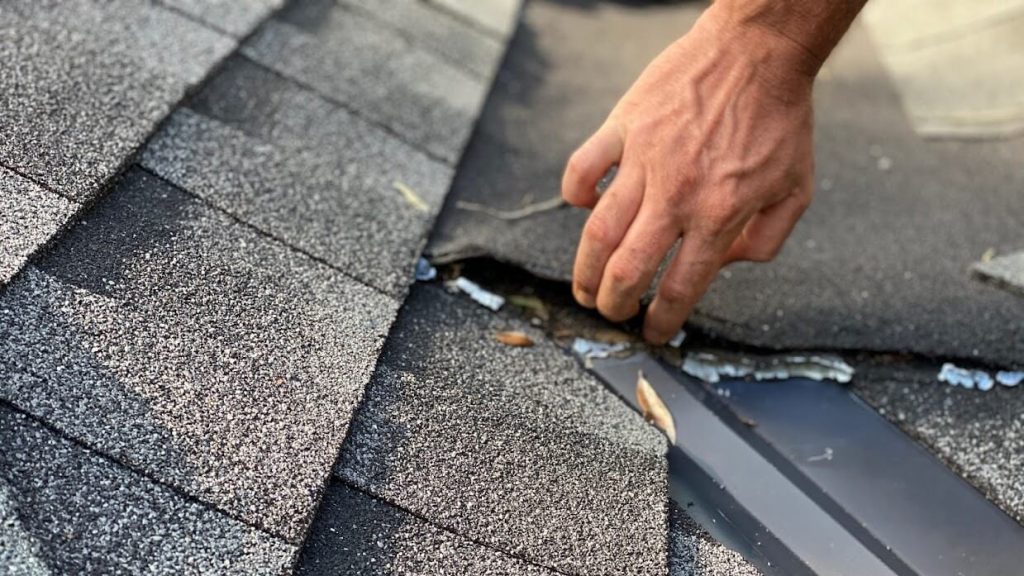
Step 4: Examine the roof fixtures and flashing
Examine the following areas: skylights, vents, and chimneys
fissures in the flashing
corrosion or rust
holes that could allow water to enter
One of the main causes of leaks is damaged flashing.
Step 5: Examine the Attic
Hidden roof issues can be found in your attic.
Enter your attic and search for:
- Water stains on insulation or wood
- Mildew or mold
- Sunlight penetrating the roof
Water can also pass through those openings if you see light.
Step 6: Look for algae or moss
Although they may appear innocuous, moss and algae can retain moisture on your roof.
This moisture can eventually lead to leaks and shingle damage.
Your roof might need to be cleaned if you see green areas.
Step 7: Check for Indications of Water Damage
Sometimes damage to your roof appears inside your house first.
Look for:
- stains on the ceiling
- Paint peeling
- moist walls
- musty smells
These symptoms could point to a covert roof leak.
When to Consult an Expert
While you can perform basic inspections on your own, there are some circumstances that call for expert assistance.
- Make a roofer call if
- Accessing your roof is challenging.
- You see significant damage
- Leaks persist even after repairs
- Your roof is more than 20 years old.
An expert examination can spot issues you might overlook.
How Frequently Should Your Roof Be Inspected?
Examine your roof for optimal outcomes:
twice a year, in the spring and fall.
following strong storms
following severe winds or hail
Frequent inspections can prolong the life of your roof and help avoid expensive repairs.
Concluding Remarks
One of the best ways to keep your house safe is to do routine roof inspections. You can identify issues early and prevent costly repairs by looking for signs of leaks, clogged gutters, and damaged shingles.
Maintaining the health of your roof can be greatly aided by even a basic inspection.