In hot climates, selecting the appropriate roofing material is crucial. If the incorrect material is used, high temperatures, intense sunlight, and UV radiation can accelerate the deterioration of roofing materials and raise energy expenses.
Roofing materials that reflect heat, withstand weather damage, and contribute to comfortable interior temperatures are essential for homeowners in hot climates. The best roofing materials for hot climates and how they can increase the energy efficiency of your house will be covered in this guide.
The Significance of Roofing Material in Warm Climates
During the day, roofs in hot climates absorb a lot of sunlight. Inadequate roofing materials have the potential to retain heat inside the home, increasing the effort required of air conditioners and raising electricity costs.
The appropriate roofing material can:
- Instead of absorbing sunlight, reflect it.
- Minimize the accumulation of heat inside
- Boost the energy efficiency of your house
- Increase the longevity of roofs during severe weather
One of the best investments homeowners in warm climates can make is choosing roofing materials that are resistant to heat.
Metal roofing
One of the best choices for hot climates is metal roofing.
During exceptionally hot days, metal roofs help keep homes cooler by reflecting solar radiation rather than absorbing it.
Benefits
- Outstanding heat reflection
- long life expectancy (40–70 years)
- Fire resistant
- Minimal upkeep
In order to increase energy efficiency, many metal roofs also have reflective coatings.
Despite their higher initial cost, metal roofs are a popular long-term option due to their durability and energy savings.
Tiles Made of Clay
For centuries, hot climates, especially those in the Mediterranean and desert regions, have used clay tile roofing.
Underneath the roof structure, clay tiles permit air circulation and naturally resist heat.
Benefits
- Outstanding resistance to heat
- Long life expectancy (50+ years)
- Appealing appearance
- Extremely robust
Because clay tiles help control interior temperatures, they are frequently found on homes in hot climates.
They may need more robust roof framing, though, because they are heavier than other roofing materials.
Tiles made of concrete
Another long-lasting choice for homes in hot climates is concrete tiles.
Although they are frequently less expensive, they function similarly to clay tiles.
Advantages
- Robust and long-lasting
- resilient to extreme heat and weather
- Long life expectancy (40–50 years)
Additionally, concrete tiles are available in a variety of designs and hues, enabling homeowners to match the style of their house.
Shingles for cool roofs
Specialized asphalt shingles that reflect more sunlight than conventional shingles are known as cool roof shingles.
Reflective granules in these shingles lessen heat absorption.
Benefits
- Reasonably priced in comparison to other materials
- An increase in energy efficiency
- Simple installation
- Widely accessible
Cool roof shingles are a great alternative to conventional asphalt shingles for homeowners on a tight budget.
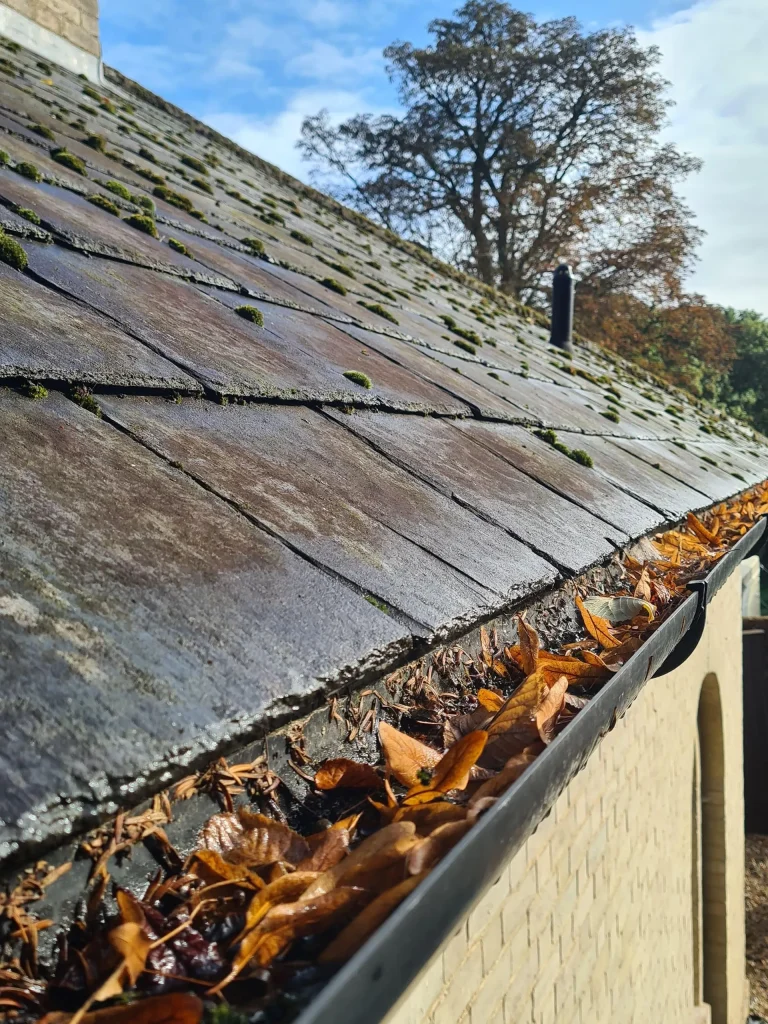
Roofing with slate
Slate is a high-end roofing material that is renowned for its strength and aesthetic appeal.
Slate works well in harsh weather, including hot climates, despite its high cost.
Benefits
incredibly long life expectancy (75–100 years)
- Resistant to fire
- inherent ability to withstand heat
- A refined appearance
Although slate roofing is frequently regarded as a luxury choice, it provides unparalleled durability.
Considerations for Selecting Roofing in Hot Climates
Homeowners should take into account a number of crucial factors when choosing roofing materials.
Reflection of Heat
Reflective materials aid in lowering indoor temperatures by reducing heat absorption.
Ventilation on the Roof
Heat buildup can be avoided by allowing hot air to escape from the attic through proper ventilation.
Durability
Intense sun exposure, storms, and temperature swings are common features of hot climates. Sturdy materials are crucial.
Expense
Certain materials are more expensive initially, but they are more economical in the long run.
Read our guide on How Much Roof Replacement Costs in 2026 if you’re thinking about getting a new roof.
How to Maintain a Cool Roof
In addition to selecting the appropriate material, homeowners can enhance roof performance by:
- Applying coatings for reflective roofs
- Enhancing ventilation in the attic
- Selecting lighter hues for the roof
- Performing regular roof maintenance
Early damage can be found with the aid of routine inspections. To maintain the health of your roof, you can use our Roof Inspection Checklist for Homeowners.
Concluding Remarks
Choosing roofing materials that are heat-resistant is crucial because hot climates put additional strain on them. For homeowners in warm climates, metal roofing, concrete tiles, clay tiles, cool roof shingles, and slate are some of the best options.
The lifespan of your roof can be increased, energy efficiency can be increased, and cooling expenses can be decreased by choosing the proper roofing material.
Knowing your options will help you make the best long-term investment for your house if you’re thinking about upgrading your roof.