Since replacing a roof is a significant home improvement project, many homeowners search for ways to cut expenses and save time. Is it feasible to install a new roof directly over old shingles rather than removing them? This is a frequently asked question.
Yes, it is frequently possible to add a new layer of shingles to an existing roof. Nevertheless, there are benefits and drawbacks to this technique, which is frequently referred to as a roof overlay.
The benefits and drawbacks of overlaying shingles, as well as crucial building code information that every homeowner should be aware of, will all be covered in this guide.
A Roof Overlay: What Is It?
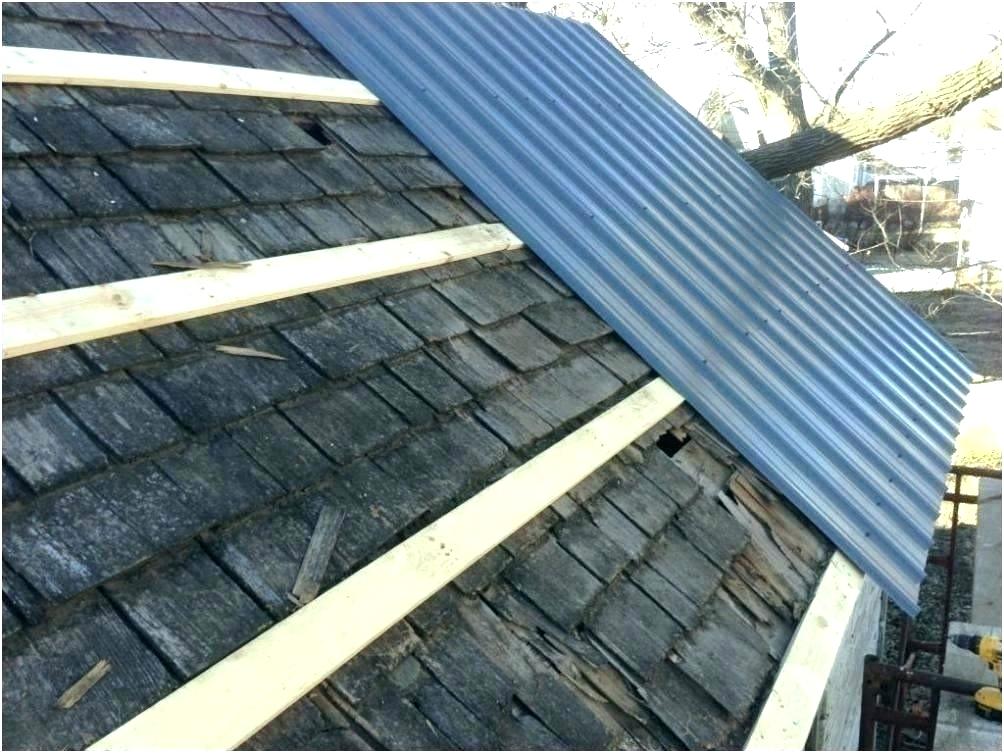
Installing a new layer of shingles directly on top of the existing shingles without tearing off the old roof is known as a roof overlay.
Although this approach can save labor costs and save time, it isn’t always the best choice for every home.
Is Installing New Shingles Over Old Ones Permitted?
Building codes in many places permit homeowners to cover an existing roof with a second layer of shingles.
The majority of building codes, however, restrict the number of layers to two. Before installing a new roof, a complete tear-off is typically necessary if your roof already has two layers.
It’s crucial to confirm local building codes before beginning any project because they may differ.
Benefits of Replacing Old Shingles with a Roof
Reduced Price
Saving money is one of the main benefits of a roof overlay.
Because the old shingles don’t need to be removed, you save on:
- labor expenses
- disposal costs
- Time
For homeowners on a tight budget, this makes it a more cost-effective choice.
Quicker Installation
The installation process is significantly faster when there is no need for tear-off.
Sometimes a roofing project that typically takes several days can be finished faster.
Less Cleanup and Mess
Waste and debris are produced when old shingles are torn off. An overlay lessens the mess and facilitates cleanup.
Drawbacks of Covering Old Shingles with a Roof
Covert Damage
The possibility of underlying issues going unnoticed is one of the main drawbacks.
problems such as:
- decaying wood
- Mold caused by water damage
- can continue to be concealed by the old shingles.
Extra Weight
The weight on your roof structure increases when you add more shingles.
This can occasionally put stress on the structure, particularly in older homes.
Reduced Life Expectancy
The lifespan of a newly installed roof over old shingles is usually shorter than that of a complete replacement.
Heat can be trapped by the old shingles, making the new layer less durable.
Problems with Appearance
Shingles that are overlaid may appear uneven or unappealing.
Bumps or irregularities caused by old shingles may be visible through the new layer.
When Is a Roof Overlay a Good Choice?
A roof overlay could be appropriate if:
- There is just one layer of shingles on your roof.
- The current shingles are in good shape and are comparatively flat.
- No significant water damage has occurred.
You require an affordable temporary fix.
When It Is Not a Good Idea to Install Over Old Shingles
A complete roof replacement should be considered if:
- There are already several layers.
- There are leaks or structural damage on your roof.
- Shingles are uneven or seriously damaged.
- You’re looking for a long-term fix
The best course of action in these situations is to remove the old roof.
Rules of the Building Code You Should Understand
Local building codes must be adhered to in roofing projects.
Typical guidelines consist of:
- A maximum of two shingle layers are permitted.
- Maintaining adequate ventilation is essential.
- It is necessary to guarantee structural integrity.
- Inspection might be necessary.
If you don’t abide by these guidelines, you may face penalties or difficulties when selling your house.
Does Overlaying Impact the Value of a Home?
A roof overlay may occasionally lower the value of your house.
Because it guarantees that hidden issues have been fixed, buyers and inspectors might favor a complete roof replacement.
A full replacement might be a better investment if you intend to sell your house.
Cost Comparison: Complete Replacement vs. Overlay
Although overlaying shingles is typically less expensive initially, it might not be the best long-term option.
- A complete replacement of the roof
- endures longer
- enhances the safety of the structure
- offers superior long-term value
Although more costly at first, it can save money in the long run by preventing repairs.
Concluding Remarks
It is feasible to install a new roof over old shingles, and in some circumstances, this can be an affordable option. It is not, however, always the best option for structural safety and long-term durability.
Homeowners should think about their long-term objectives, local building codes, and the state of their current roof before making a decision. A complete roof replacement frequently offers improved performance and peace of mind.