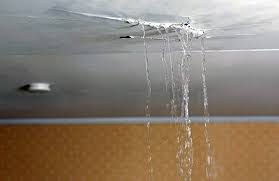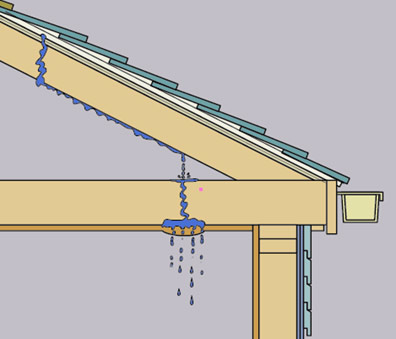
One of the most stressful issues that homeowners can deal with is a leaky roof. If water keeps getting into your house, even a tiny leak can result in major damage. If the issue is not resolved, it may soon lead to structural damage, mold growth, and ceiling stains.
There are a number of short-term fixes that can halt or slow the leak until expert repairs are finished, but permanent roof repairs should be properly handled as soon as possible. We’ll go over how to temporarily stop a roof leak with basic equipment and supplies in this guide.
Indications of a Leaking Roof
Make sure your roof is truly leaking before making any repairs. Typical indicators include:
- Water stains on walls or ceilings
- Water dripping during a downpour
- The attic smells like mold or mildew.
- Roof shingles that are missing or damaged
- The attic’s wet insulation
It’s critical to take immediate action to reduce water damage inside your home if you see any of these warning indicators.
When you need a Temporary Roof Leak Fix
Eaxmple Situtaion:
- During a storm
- wating for a roofer
- nighttime leak
The Reasons Behind Roof Leaks
Leaks in roofs can happen for a number of reasons. Selecting the best short-term solution can be aided by knowing the cause.
Typical reasons consist of:
- Missing or cracked shingles
- Flashing around vents or chimneys that is damaged
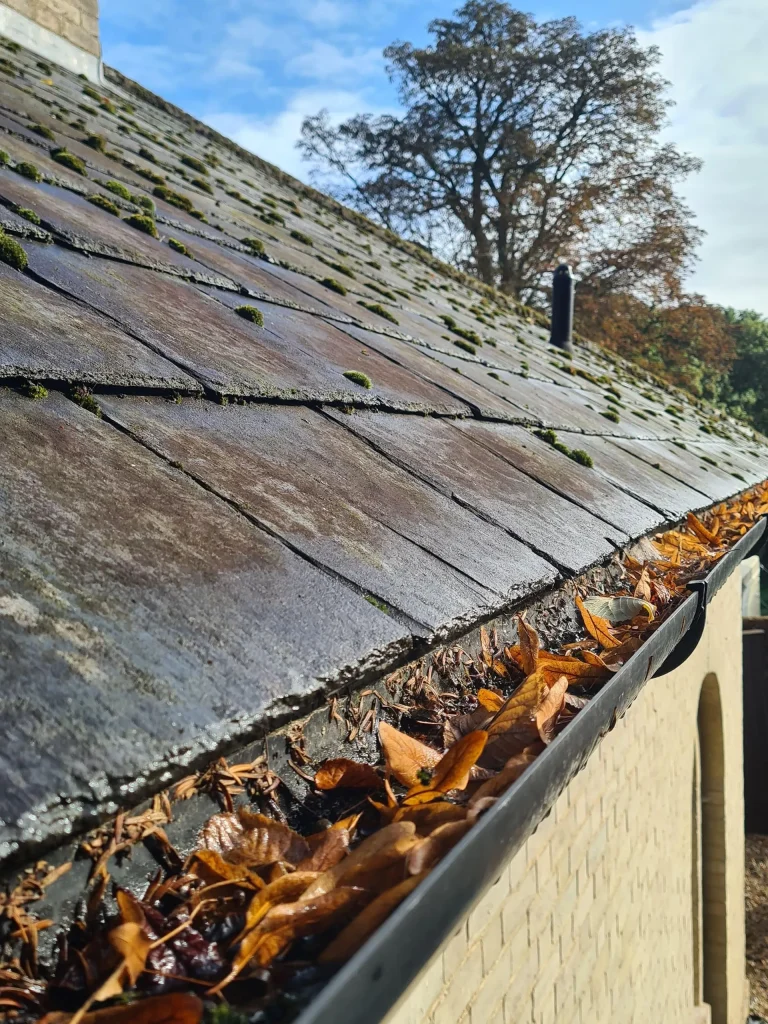
- Water accumulation due to clogged gutters
- Roof sealant cracking
- Wind or debris-related storm damage
When it rains a lot, even minor damage can let water through your roof.
Equipment and Supplies You May Require
Prior to attempting a temporary repair, assemble a few standard tools and supplies:
- Roof sealant or tar
- A trowel or putty knife
- Waterproof or roofing tape
- A plastic sheet or tarp
- Screws or nails for roofing
- Safety gloves and a ladder
These materials are frequently used for urgent roof repairs and are typically available at most hardware stores.
How to Stop a Roof Leak Temporarily
Here are a few efficient ways to temporarily stop roof leaks until a long-term fix can be made.
For minor cracks, use Roofing tape.
One of the quickest ways to stop a minor leak is with roofing tape.
Procedure:
- Clean the area surrounding the damaged shingle or crack.
- Make every effort to dry the surface.
- Cover the damaged area with waterproof roofing tape.
- To guarantee a tight seal, press firmly.
This technique is effective for tiny leaks, nail holes, and cracks.
Use roofing tar or sealant.
Water can be prevented from entering through tiny gaps by using roof sealant or roofing tar.
Procedure:
- Find the area that is leaking.
- Remove dirt and debris.
- Use a putty knife to apply roofing sealant.
- Evenly cover the damaged area or crack with the sealant.
In order to help stop more water from entering the roof, roofing tar forms a waterproof barrier.
Use a tarp to cover the area
A tarp can offer a fast, short-term fix if the leak is bigger or the result of storm damage.
Procedure:
- Cover the damaged area with a sturdy tarp.
- Extend the tarp a few feet past the area that is damaged.
- Use screws or roofing nails to fasten the tarp.
- Make sure the tarp is securely fastened to prevent wind from lifting it.
Until long-term repairs are finished, a tarp can keep water out of your house during storms.
Fix or Replace Loose Shingles
Leaks can occasionally happen as a result of damaged or loose shingles.
Procedure:
- Gently raise the damaged shingle.
- Underneath, apply roofing sealant.
- Reinstall the shingle.
- If needed, fasten it with roofing nails.
Leaks brought on by raised shingles can be stopped with this easy solution.
Crucial Safety Advice
If the right safety measures are not followed, roof repairs could be hazardous.
Never forget to:
- Steer clear of working on a wet or slick roof.
- Make use of a strong ladder
- Put on non-slip footwear.
- Steer clear of roof repairs during storms or high winds.
The safest course of action is to hire a professional roofer if the damage to the roof is severe or hard to access.
When to Hire a Skilled Roofer
While they can be useful in an emergency, temporary repairs are not long-term fixes.
A qualified roofer should be contacted if:
- Despite temporary fixes, the leak persists.
- The roof is damaged in several places.
- It looks like the roof structure is weak.
- The home’s internal water damage gets worse
Expert repairs guarantee that the roof is adequately sealed and stop leaks in the future.
How to Stop Roof Leaks in the Future
Leaks can be avoided with routine roof maintenance.
Some useful maintenance advice is as follows:
- At least twice a year, have your roof inspected.
- To avoid water accumulation, clean gutters on a regular basis.
- Replace damaged shingles as soon as possible.
- Verify the flashing near vents and chimneys.
- Cut off any nearby tree branches that could harm the shingles.
Your roof’s lifespan can be increased and the likelihood of costly repairs decreased with preventive maintenance.
Concluding Remarks
If left untreated, roof leaks can result in significant damage, but temporary solutions can help keep your house safe until the necessary repairs are completed. In the short term, you can effectively prevent water from entering your home by using techniques like tarps, roofing tape, sealant, and securing loose shingles.
But it’s crucial to keep in mind that these fixes are only short-term. Making an early appointment for a permanent roof repair will guarantee that your house is secure and shielded from leaks in the future.