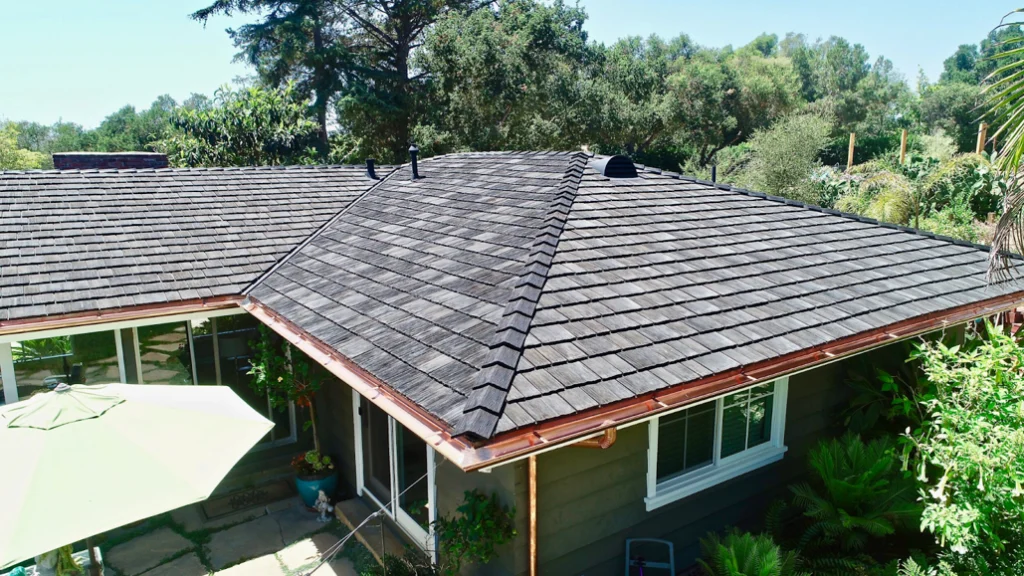
Frequent roof inspections can prevent homeowners from having to pay thousands of dollars for unforeseen repairs. Knowing what to look for can help you identify minor problems before they become serious ones, whether you’re just maintaining your house or getting ready for storm season.
For homeowners who wish to safely evaluate their roof and know when to call a professional, this roof inspection checklist was created.
The Significance of Roof Inspections
Your entire house is shielded from heat, wind, rain, and debris by your roof. Even minor harm can result in:
- Leaks of water
- growth of mold
- Damage to structures
- Increased energy costs
The majority of professionals advise doing a roof inspection at least twice a year, in the spring and the fall.
Checklist for Exterior Roof Inspection
Safety first: Avoid walking on wet or steep roofs. If necessary, use ground-based binoculars.
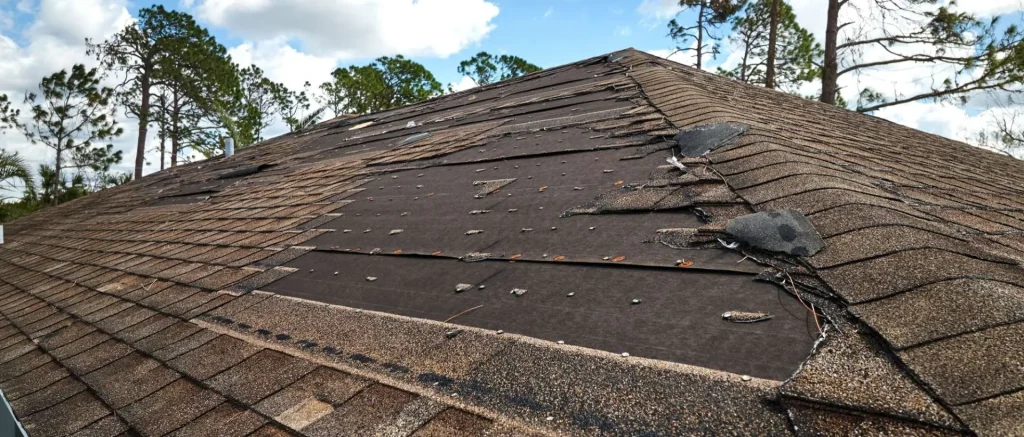
Look for any damaged or missing shingles
Search for:
- Lack of shingles
- Broken or cracked shingles
- Lifting or curling edges
- Bald spots (granule loss)
One of the most frequent reasons for roof leaks is damaged shingles.
Check out our How to Fix a Roof Leak guide (add internal link here) if you’ve already noticed water stains inside.
Examine the flashing around the roof’s features
The metal that is placed around is called flashing.
- Chimneys
- Skylights
- Vents on the roof
- Valleys
Verify that flashing is:
- Not loose
- Not corroded
- appropriately sealed
One significant leak risk is loose flashing.
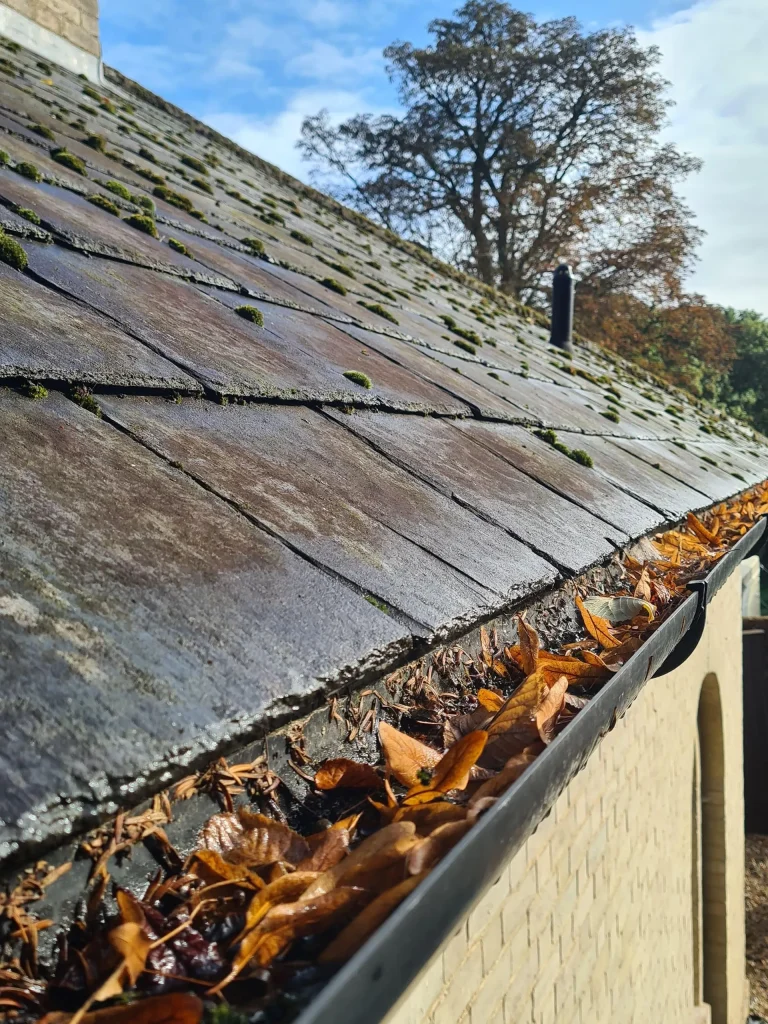
Examine downspouts and gutters
Water may back up beneath your shingles due to clogged gutters.
Search for:
- accumulation of debris
- Granules of shingles inside gutters
- Sections that sag
Use our detailed instructions on How to Clean Gutters Safely (insert internal link here) if necessary.
Check for Algae or Moss Growth
Dark streaks or green patches could mean:
- Retention of moisture
- Inadequate drainage
- Deterioration of shingles
Widespread growth may reduce the lifespan of roofs, but small amounts are manageable.
Examine Valleys on Roofs
Where two roof slopes converge is called a valley.
Given how much water passes through these areas, look for:
- Shingles with cracks
- accumulation of debris
- Wear indicators
Leaks frequently occur in valleys.
Checklist for Interior Roof Inspection
Roof issues can occasionally manifest internally first.
Examine the Attic
During the day, enter your attic and search for:
- Sunlight penetrating the boards
- Wet insulation
- Stains from water
- The smell of mold
These are indicators that there may be roof damage
Examine the walls and ceilings
In your house, search for:
- Brown stains from water
- Paint peeling
- Drywall that bubbles
Check out our guide on How Long Does a Roof Last if your roof is older than 15 to 20 years. (Insert internal link here).
How Frequently Should Your Roof Be Inspected?
Suggested timetable
- Twice a year (in the spring and fall)
- Following significant storms
- Following a significant snowfall
- Prior to purchasing or selling a house
Frequent inspections prolong the life of your roof and avoid costly emergency repairs.
When to Hire a Skilled Roofer
Make a licensed contractor call if you observe:
- Large patches of shingles missing
- Frequent leaks
- Sagging structures
- severe damage from storms
While do-it-yourself inspections are useful, professional inspections are safer for roofs that are high or steep.
Free Checklist for Roof Inspection (Printable)
Here’s a quick summary checklist you can use to make things easier:
Examine the shingles
Verify flashing, clean gutters, and look for moss.
Examine roof valleys; look for interior water stains; check the attic for light or moisture; and determine the age of the roof.
(To boost engagement, you can later make a PDF that can be downloaded.)
Concluding Remarks
Homeowners can prevent expensive repairs down the road by using a roof inspection checklist to identify small problems early. You can preserve your investment and increase the lifespan of your roof by having it inspected twice a year and following significant weather events.
Emergency replacement is always more expensive than preventive maintenance.