What is the lifespan of a roof? (Material Lifespan)
One of the most crucial components of your house is your roof. It shields you from heat, wind, rain, snow, and everything in between. But roofs don’t last forever.
The material, climate, upkeep, and installation quality are the primary factors that determine how long a roof lasts.
You’ll discover the typical lifespan of various roofing materials as well as the variables that can either shorten or lengthen the life of your roof in this guide.
What Influences the Lifespan of a Roof?
It’s critical to comprehend the factors that affect durability before examining materials.
Your roof’s lifespan is influenced by a number of factors:
- Conditions of the weather (heat, wind, snow, humidity)
- Installation quality
- Insulation and ventilation
- Frequent upkeep
- Roof design and slope
If a high-quality material is installed incorrectly, it may fail too soon. On the other hand, a well-kept roof frequently lasts longer than anticipated.
Common Roofing Materials’ Average Lifespan
Let’s examine the most common types of roofing and their average lifespan.
15–30 Years of Asphalt Shingles
Because they are inexpensive and simple to install, asphalt shingles are the most popular roofing material in many nations.
There are primarily two kinds:
- 3-tab shingles (last for 15–20 years)
- Architectural shingles (approximately 20–30 years)
They work well in temperate climates, but in intense heat or powerful storms, they might deteriorate more quickly.
40–70 Years of Metal Roofing
Because of their strength and contemporary appearance, metal roofs are growing in popularity.
Depending on the type of metal used, a properly installed metal roof can last anywhere from 40 to 70 years.
They are extremely resilient to wind, fire, and torrential rain. Metal roofing frequently pays off in the long run, even though the initial cost is higher than that of asphalt shingles.
Concrete and Clay Tiles (50–100 Years)
The remarkable longevity of tile roofing is well-known.
With the right maintenance, concrete and clay tiles can endure for 50 to 100 years. They function well in hot climates and are incredibly durable.
They need substantial structural support, though, because they are heavy.
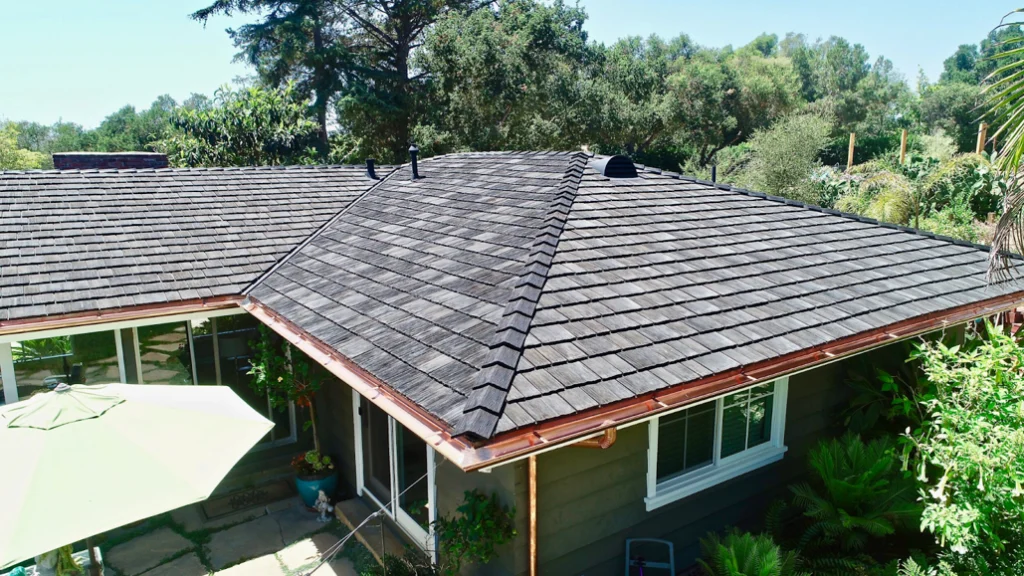
Wood Shakes and Shingles (20–40 Years)
Wooden roofs have a lovely, organic appearance.
Depending on the climate and upkeep, they usually last 20 to 40 years.
To avoid rot, mold, and insect damage, they need to be treated on a regular basis.
Roofing made of slate (75–150 Years)
One of the most durable roofing materials is slate.
A well-kept slate roof can endure for more than a century.
It is incredibly resilient to fire and inclement weather. However, slate is less common in contemporary homes due to its high cost and weight.
Indications That Your Roof May Need to Be Replaced
You should keep an eye out for warning indicators like these even if your roof hasn’t reached its maximum lifespan:
- Cracked or curled shingles
- Lack of shingles
- Gutter granules
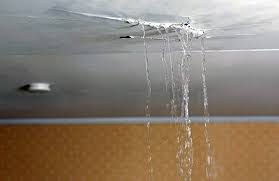
- Ceiling stains caused by water
- Sections of the roof that sag
- Mold or moss growth
It might be time to speak with a qualified roofer if you see several problems.
How to Extend the Life of Your Roof
The good news is that basic upkeep can help you prolong the life of your roof.
Here are some useful pointers:
- Examine your roof twice a year.
- Regularly clean your gutters
- Clear the surface of any debris.
- Cut off any nearby tree branches.
- Make sure the attic is properly ventilated.
- Resolve minor issues before they become significant ones.
Compared to complete replacement, preventive care is far less expensive.
Climate Is More Important Than You May Imagine
Heavy snowfall, hurricanes, and intense heat can cause homes to deteriorate more quickly.
For instance:
- Shingles can dry out and crack in hot climates.
- Metal roofs may corrode in coastal areas.
- Heavy snowfall increases moisture and weight.
Longevity can be greatly increased by selecting the appropriate roofing material for your area.
Is Replacement or Repair Better?
Repairs are typically sufficient if your roof is relatively new and has minimal damage.
However, replacement might end up being more economical in the long run if your roof is nearing the end of its useful life and repairs are required frequently.
Finding the best option can be aided by a professional inspection.
Concluding Remarks
The material used, the climate, and the level of maintenance all have a significant impact on how long a roof lasts. Materials like metal, tile, or slate can shield your house for decades longer than asphalt shingles, which might only last 20 to 30 years.
To extend the life of your roof, routine maintenance and inspections are essential.Knowing how long your roof should last will help you make plans and prevent unforeseen costs.