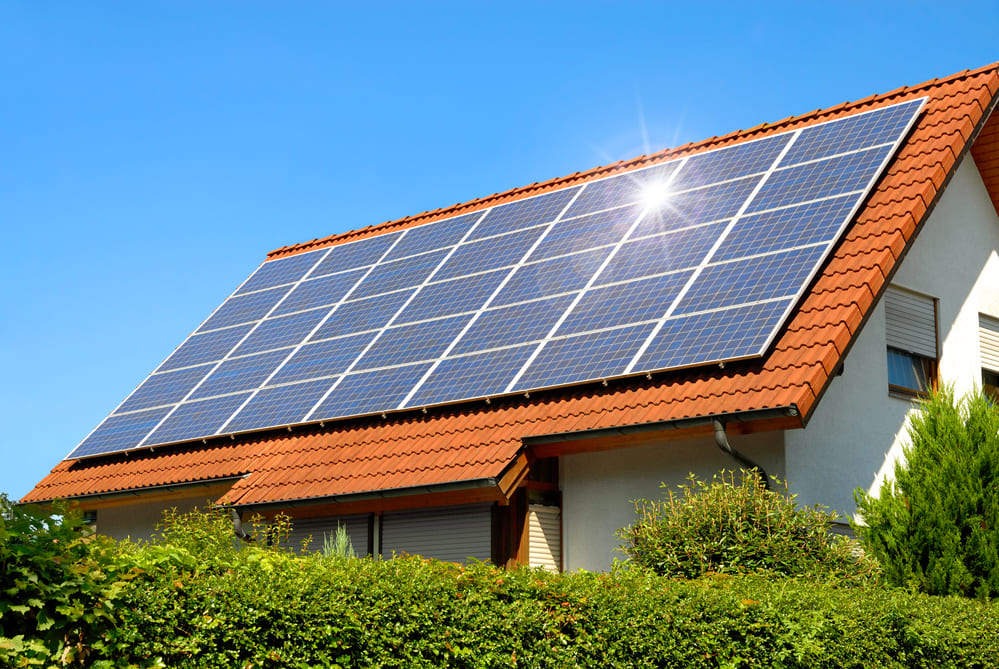
Solar panels seem like a no-brainer. Lower energy bills, tax breaks, and the pleasure of running your home on sunshine. But here’s the truth that solar salespeople don’t always tell you: the roof that solar panels sit on is just as important as the panels themselves.
If you put solar panels on a roof that is almost done, you’ll have to pay to take them down and put them back up when you get a new roof. That could add $5,000 to $10,000 to the cost of your roofing job. If you put it on a roof that can’t handle the weight, you’ll have problems with the structure later on.
This guide tells you everything you need to know before putting solar panels on your roof, so you can make the right choice the first time.
The Most Common Mistake Homeowners Make
People who put solar panels on roofs that are already 15 or 20 years old make the biggest mistake. They sign the contract without thinking about the roof underneath because they are excited about the tax credit and the lower electric bills.
Two years later, the roof starts to leak. Or the shingles begin to curl. Now you have to pay $15,000 to put up a new roof and $5,000 to take down the old panels and put them back up. The solar company doesn’t pay for that. That isn’t covered by your insurance. It’s all up to you.
If your roof needs to be replaced in the next ten years, you should do it first. Then put in solar. You’ll save yourself a lot of trouble and a lot of money.
How Old Is Too Old for Solar?
Here’s a simple guideline based on your roofing material:
| Roofing Material | Typical Lifespan | Install Solar If… |
|---|---|---|
| Asphalt Shingles | 20–30 years | Less than 10 years old |
| Metal Roof | 40–70 years | Less than 20 years old or in good condition |
| Clay or Concrete Tile | 50–100 years | Any age if tiles are intact |
| Slate | 75–100+ years | Any age if no cracking or shifting |
| Wood Shake | 20–30 years | Not recommended (fire risk and maintenance issues) |
If your roof is past the halfway point of its expected lifespan, seriously consider replacing it before going solar. The removal and reinstallation cost alone often makes it worth doing the roof first.
The age of the roof isn’t the only thing that matters.
A newer roof might not even be ready for solar. Here are the other things that are important:
Integrity of the structure
Your roof will be a lot heavier with solar panels on it. A typical solar array for a home weighs between 3 and 5 pounds per square foot. That doesn’t sound like much, but when you put it all over your roof, it adds thousands of pounds of weight.
Your roof needs to be able to:
- The panels’ own weight
- Wind uplift forces (solar panels act like sails when the wind is strong)
- If you live in a northern climate, snow load is important.
Before putting it up, a structural engineer should check to make sure that your roof framing can handle the extra weight. Most new homes are fine, but older homes or homes with structural problems may need extra support.
The direction and pitch of the roof
In the northern hemisphere, solar panels work best on slopes that face south. Roofs that face east and west still make good power, but you’ll need more panels to get the same amount. If your roof faces north, you probably shouldn’t do it unless it has a very low pitch or you have no other choice.
The best angle for solar panels to work is between 15 and 40 degrees. Flat roofs work too, but you need special racking systems to tilt the panels toward the sun.
Shade
A lot of homeowners are surprised by this dealbreaker. Solar panels won’t work well if trees, chimneys, or buildings next door block the sun for most of the day.
Before giving you a quote, a good solar installer will look at how much shade your roof gets. That’s a sign that something is wrong if they don’t. Even a little bit of shade can cut the system’s total output by 20 to 40 percent, and your payback period math stops making sense.
The Material of the Roof Matters
Different types of roofing materials work better or worse with solar panels. Here’s what you need to know about each one:
Shingles made of asphalt
Asphalt shingles are the most common and easiest type of roofing material for solar panels. The panels are attached to rails that go through the shingles and into the roof deck. Just like plumbing vents or chimneys, the penetrations are flashed and sealed.
The most important thing is to make sure your shingles still have some life left in them. Putting solar panels on old, brittle shingles will cause leaks. The installation process involves walking on the roof and making holes; shingles that are already damaged won’t hold up.
Roofs Made of Metal
In fact, metal roofs are the best type of roof for solar panels. This is why:
If your standing seam metal has raised seams, panels can clamp right to the seams without going through the roof. That means your roof won’t have any holes. This is the best way to install solar panels.
If your roof has corrugated metal or exposed fastener panels, installers can use special brackets that attach through the metal with very few holes. Just make sure the fasteners are sealed properly.
What else is good? Metal roofs last between 40 and 70 years, so your solar panels will almost never outlast the roof. No drama with taking it down and putting it back up.
Tiles made of clay and concrete
Tile roofs are hard, but they can be done. The problem is that tiles break easily. Walking on them and drilling through them can cause cracks, which can lead to leaks and a roof that looks like a patchwork quilt.
A good installer will use compression mounts to lift the panel racking above the tiles, which will reduce contact. They will also fix any broken tiles while they are putting in the new ones. You should expect to pay more for labor because installing solar panels on tile roofs takes longer and requires more skill.
Slate
Slate is pretty and lasts forever, but it’s also expensive and easy to break. It’s hard to find solar installers who know how to work with slate. You need to hire a contractor who knows how to work with slate roofs if you have one. The tools and methods for installing the mounting hardware are not the same as those for regular asphalt or tile.
Wood Shake
Solar panels don’t work well on roofs made of wood shake. They’re a fire hazard (solar equipment adds electrical parts), they need a lot of upkeep, and the holes made during installation can cause moisture issues. Before putting up solar panels, most good solar companies will tell you to replace your wood shake roof.
The Question About the Warranty
This is when things start to get messy. There is a warranty on your roof. There is a warranty on your solar panels. But when you put them together, the overlap can make holes that leave you open to attack.
Warranties for Roofing from the Manufacturer
Most companies that make asphalt shingles want their products to be put up according to their instructions. Some manufacturers think that the holes you make in the roof to install solar panels are “modifications” that void the warranty. Some places let you install solar panels, but only if you use certain mounting systems that the manufacturer has approved.
Check your shingle warranty or ask your roofer how solar affects coverage before you sign anything. If you’re putting on a new roof before installing solar panels, ask your roofer about using a brand of shingles that lets solar panels be installed.
Warranties for Solar Installers
Most solar installers guarantee their work for ten years. That includes the holes they make in the roof. But if a leak happens 12 years later, you’re on your own.
Your solar contract should clearly say that the installer is responsible for any roof leaks that happen because of their work, and for how long. A good installer will guarantee their work.
The Problem with the Gap
You don’t want this to happen: a leak forms in your roof near a solar mount. The roofer says the solar installer is to blame. The installer of the solar panels says the roof was old and that the roofers are to blame. Water is dripping into your attic, on the other hand.
To avoid this, a lot of homeowners hire the same company to put in solar panels and replace their roofs. There is only one point of contact, one warranty, and no pointing fingers. The best way to go about it is to find a good roofing company that also does solar.
The Costs That No One Talks About
When you compare solar quotes, you look at the big number. But here are the hidden costs that homeowners don’t expect to see after installation:
Taking Off Panels to Replace the Roof
You’ll have to pay to have the panels taken down, stored, and put back up if you need a new roof ten years after you install solar. Panels cost between $100 and $200 right now. That’s $2,000 to $4,000 just to take off and put back on a normal 20-panel system. Add that to the cost of your roofing project.
Improved Electrical Panel
Some houses need to have their electrical panels updated so that solar panels can work. If your panel is old or almost full, adding solar may mean spending $2,000 to $4,000 to upgrade it. Before giving you a quote, a good solar installer will check this.
Fees for Permits and Inspections
Most solar quotes include the cost of getting the right permits, but not all of them. Please ask. Depending on where you live, permit fees can be anywhere from $500 to $2,000.
Cutting down or trimming trees
If your shade analysis shows that trees are blocking sunlight, you’ll have to choose between cutting them down or getting rid of them. Tree work costs a lot of money. It can cost between $1,000 and $3,000 to take down a big tree.
Equipment for monitoring
Most systems come with basic monitoring, but premium monitoring that tracks performance panel by panel usually costs more. If that’s important to you, ask about it ahead of time.
Flashing and Penetrations on the Roof
To install any solar panel mount, you need to make holes in your roof. That’s how it works. How those penetrations are sealed is the most important thing.
The right way: Each mounting point has a flashing that goes under the shingles above it and over the shingles below it, just like a plumbing vent or chimney flashing. The bolt for the mount goes through the flashing and into the roof deck. It is sealed with a high-quality roofing sealant. If done right, these holes will stay watertight for decades.
The wrong way: Some installers just drill through the shingles, put sealant around the bolt, and call it a day. This will leak at some point. When, not if.
When you talk to solar installers, ask them how they flash. If they can’t tell you exactly how they waterproof roof penetrations, keep looking.
How to Get to the Roof and Keep It Up
After solar panels are put on your roof, it is harder to get to. That means:
- It costs more to fix the roof because you have to work around or take off the panels.
- Cleaning the gutters is harder, especially on homes with two stories.
- You have to take down the panels to fix the chimney or skylight.
- You can only see what you can see from the edges of the roof.
Let your solar installer know if your roof has features that need regular care, like skylights, chimneys, or roof vents. They might have to change the layout of the panels so that there are paths to follow.
The Best Time to Install Solar
If you’re reading this and thinking about solar, here’s the ideal timeline:
- Have your roof inspected by a licensed roofer. Get an honest assessment of how many years your current roof has left.
- If your roof has 10+ years left, you’re safe to install solar now.
- If your roof has 5 to 10 years left, it’s a judgment call. You might get lucky and have the roof outlast the panels’ payback period. Or you might be paying for removal and reinstall.
- If your roof has less than 5 years left, replace the roof first. Then install solar.
- If you’re installing a new roof anyway, this is the perfect time. Have your roofer coordinate with your solar installer to get the mounting hardware installed during the roofing process. This ensures proper flashing and a clean, leak-free installation.
The Bottom Line
For the right home, solar panels are a great investment. But you can’t just set them and forget about them. The roof under them is just as important as the panels themselves.
The smart thing to do is:
- Before you start, find out how old and in what condition your roof is.
- Before putting up solar panels, get a new roof if yours is old.
- Pick a roofing material that goes well with solar panels. Standing seam metal is the best.
- Check that your installer uses the right flashing and stands behind their work.
- Know how much it will cost to take it down and put it back up again in the future.
If you make the right choices now, you’ll have clean, cheap energy for decades without any problems. If you get them wrong, you’ll have to deal with leaks, warranty issues, and surprise costs for years to come.
When done right, solar is great. When solar is done wrong, it costs a lot. Do your research, ask the tough questions, and get ready for success.