One of the most stressful issues a homeowner may encounter is a leaky roof. If left untreated, even a tiny drip can result in costly structural repairs, mold growth, stained ceilings, and damaged insulation. The good news is that you can find and fix a lot of small roof leaks without having to hire a contractor right away.
This comprehensive guide will teach you how to locate the source of a roof leak, what equipment you’ll need, and how to safely and successfully repair common roofing problems.
What Causes Roof Leaks?
Roof leaks can develop for several reasons. Understanding the cause helps you choose the right repair method.
Common Causes include:
- Damaged or missing shingles due to wind or storms
- Cracked or loose flashing around chimneys and vents
- Clogged gutters causing water backup
- Broken roof vents or seals
- Aging roofing materials
- Improper installation from previous repairs
Most leaks don’t start as major problems. They usually begin as small weaknesses that worsen over time.
How to Identify the Source of a Roof Leak
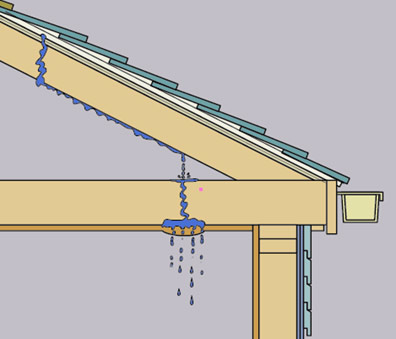
You must identify the precise source of the leak before beginning any repairs. The visible stain might not be directly beneath the damage because water frequently travels before dripping.
Here’s how to locate it:
1. Check Interior Sign
- Look for:
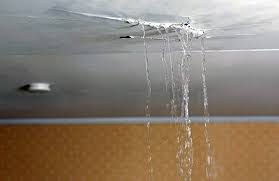
- Water stains on ceilings or walls
- Peeling paint
- Mold smell
- Damp insulation in the attic
2. Inspect the Attic
If you have attic access,use a flashlight and look for:
- Wet wood
- Mold patches
- Visible daylight through the roof boards
3. Inspect the Roof Surface
On a dry da, carefully examine:
- Missing or curled shingles
- Cracked flashing
- Damaged vent boots
- Debris buildup
If required, a hose test can be used to spray portions of the roof while someone inside looks for drips.
Safety tip: Avoid doing roof inspections in the rain or in windy conditions.
Tools You’ll Need
For most minor roof leak repairs, gather the following tools:
- Replacement shingles (if needed)
- Roofing nails
- Hammer
- Roofing sealant or roofing cement
- Caulking gun
- Ladder
- Safety gloves
- Flashlight
Safety should always come first. Steep or slippery surfaces should be avoided, and a sturdy ladder should be used.
Step-by-Step: How to Fix a Roof Leak
Step 1: Locate and Mark the Damaged Area
Once you identify the problem spot, mark it clearly. This prevents unnecessary removal of healthy materials.
Step 2: Remove Damaged Shingles
If a shingle is cracked, curled, or missing:
- Carefully lift surrounding shingles
- Remove roofing nails
- Slide out the damaged piece
Be gentle to avoid damaging nearby shingles.
Step 3: Apply Roofing Sealant
If the leak is caused by small cracks or gaps:
- Apply roofing sealant underneath the damaged area
- Spread evenly using a putty knife
- Press materials firmly into place
Roofing cement works well for sealing small holes or nail punctures.
Step 4: Replace Shingles
Slide a new shingle into place.
- Secure it with roofing nails
- Apply a small amount of sealant over nail heads
- Press surrounding shingles back down
Make sure everything sits flat and aligned with the existing roof pattern.
Step 5: Check Flashing and Vents
Leaks commonly occur around chimneys and vents.
- Inspect flashing for cracks
- Apply sealant to gaps
- Replace severely rusted flashing if necessary
Water cannot enter weak joints if the flashing area is properly sealed.
When to Call a Professional Roofer
Certain situations call for professional assistance, even though minor repairs can be completed on your own.
Call a Professional if:
- There are several leaks on the roof.
- The structure is sagging.
- The damage is extensive.
- Your roof is over two decades old.
- The roof pitch is dangerous or excessively steep.
Without experience, attempting complicated repairs can result in harm or additional damage. Professional evaluation is the safest course of action when in doubt.
How to Prevent Future Roof Leaks
Repair is always more expensive than prevention. To keep your roof safe over time, heed these tips:
- Inspect your roof at least once per year
- Clean gutters regularly
- Trim tree branches hanging over the roof
- Replace aging shingles before they fail
- Check for storm damage after heavy winds
Your roofing system’s lifespan can be greatly increased and unexpected leaks can be avoided with routine maintenance.
Conclusion
Although a roof leak may initially seem concerning, many small problems can be fixed with the correct methods and equipment.Homeowners can avoid expensive renovations and water damage by locating the source early and making careful repairs.Homeowners can avoid expensive renovations and water damage by locating the source early and making careful repairs.But safety should always come first.The best course of action is to speak with a professional roofer if the damage seems severe or if you feel that the repair is beyond your capabilities.