If your house gets too hot in the summer, too cold in the winter, or your energy bills go up, it’s easy to think that your roof needs to be replaced. But in many cases, the real problem might be that the attic is not well insulated.
So how can you tell if you need a new roof or just better insulation?
Knowing the difference between these two can help you choose the best option for your home and save you thousands of dollars.
In this guide, we’ll explain the differences between attic insulation and roof replacement, when you need each one, and how to pick the best option
What does attic insulation do?
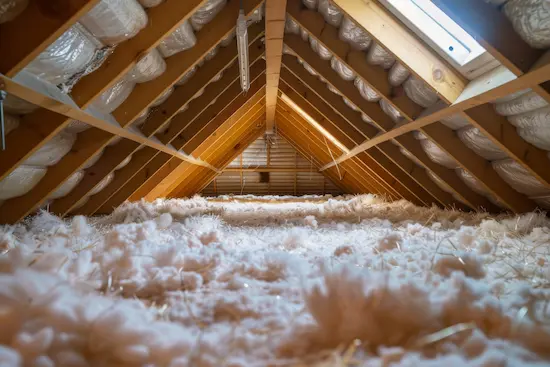
Attic insulation helps keep your home at a comfortable temperature by stopping heat from moving between your roof and your living space.
Insulation keeps heat out of your home in hot places. It keeps heat from escaping in cold places.
Good insulation has many benefits.
- cuts down on energy costs
- makes the inside more comfortable
- lessens the load on the air conditioner
- stops moisture from building up
What does it mean to replace a roof?
When you replace a roof, you take off the old roofing materials and put on a new roof system.
This makes things better:
- shelter from the weather
- structural soundness
- long-lasting strength
When the roof is damaged, old, or no longer works, it needs to be replaced.
What Are the Main Differences Between Insulation and Roof Replacement?
Attic Insulation Roof Replacement Features
Purpose: Keep the temperature stable Keep safe from the weather
Cost: Low to moderate High
Life span: 15 to 30 years; 20 to 50 years
Impact Energy efficiency Structural protection
How to Tell If You Need Attic Insulation (Not a New Roof)
A lot of homeowners get a new roof when the problem is really the insulation.
Check for these signs:
Bills for energy that are too high
If your heating or cooling bills are going up, it could be because your insulation isn’t good enough.
Different temperatures in different rooms
If some rooms feel hotter or colder than others, the insulation might not be working right.
The attic is hot
If your attic is very hot, it means that heat is getting into your home.
No damage to the roof that can be seen
If your roof looks fine but your house is too hot or too cold, insulation is probably the problem.
When to Get a New Roof
The roof itself is sometimes the problem, not the insulation.
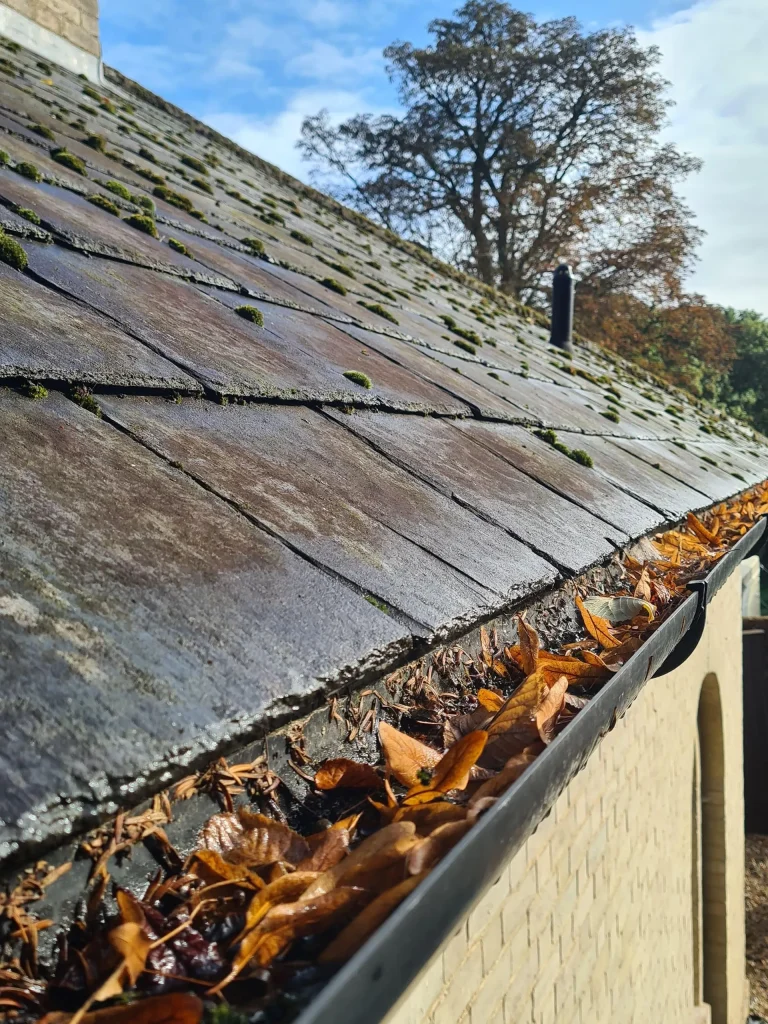
Leaks in the roof
If water gets into your home, it’s a clear sign that your roof is damaged.
Shingles that are missing or broken
If your shingles are cracked or missing, your roof is more likely to get wet.
Roof that is sagging
A roof that is sagging means there are structural problems that need to be fixed right away.
Roof that is more than 20 years old
You may need to replace your roof if it is getting close to the end of its life.
Which one should you do first?
This is the most important question.
If you want to insulate your attic first,
- your roof is in good shape
- There are no leaks.
- Your biggest problem is your energy or heat bills.
If you want to replace your roof first,
- your roof is leaking or broken
- Your roof is very old.
- There are problems with the structure.
Can you do both?
Yes, in some cases, you may need to replace both the roof and the insulation.
For instance:
putting on a new roof
adding better insulation at the same time
This is the best way to get the most done and get long-term benefits.
Comparing Prices
Insulation for the attic
- less money up front
- fast setup
- energy savings right away
- Replacing the Roof
- more expensive
- an investment for a long time
- adds value to your home
What This Means for Energy Efficiency
The roof protects the house from damage from the outside, while insulation helps the house use less energy.
In hot climates, a well-insulated attic can cut down on cooling costs by a lot.
Final Thoughts
Whether you should insulate your attic or replace your roof depends on how your home is doing and what problems you are having.
If your roof is in good shape, adding more insulation can help with temperature and energy problems at a lower cost. But if your roof is old or damaged, getting a new one is the best long-term solution.
Homeowners can make better choices and save money by knowing the difference between these two choices.